

Airlines pulled millions of seats to survive the fuel spike. Those seats return this fall while demand plateaus, and fares should bend. When to strike.
The Capacity Squeeze Explained
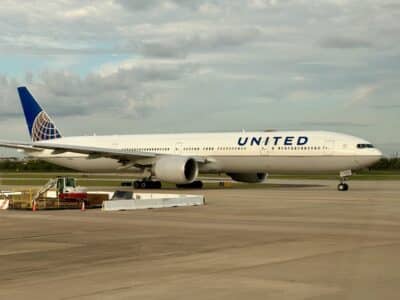
When jet fuel roughly doubled this spring, airlines did the rational thing and shrank. Roughly 9.3 million seats came out of major global markets for the June through September period, and more than 150,000 international flights were cut between March and June compared to pre-war schedules. United trimmed about 5% of its planned flying, while Delta and American cut roughly 3% each versus pre-conflict plans. Less supply against steady demand enables a 26.7% year-over-year fare increase travelers have been absorbing all summer.
Fall Breaks The Other Way
United has said its cuts get restored by fall, and competitors tend to restore alongside. Meanwhile demand is plateauing rather than growing: AAA’s July 4 forecast of 72.2 million travelers beat last year’s record by less than 1%, with an average domestic round trip running about $830. While I question the math behind an $830 roundtrip between Chicago and Denver, I’d agree (as would most of our readers) that rates are most certainly up. Seats returning while demand flattens reverses the math that inflated summer fares. American is discounting August and September award inventory to 9,000-mile floors; it also offered Executive Platinum travelers a unique opportunity to land a confirmed systemwide upgrade for August flights if they were willing to buy Premium Economy in the spring. Fuel remains the wildcard especially with the “Suez is open”/ “Suez is closed” rhetoric, but returning capacity and softer fall helps.
Where I Am Targeting
For September through early November travel, I am watching fares now and expect the best cash pricing to surface in the roughly three-to-seven-week booking window before departure, when airlines are more honest about unsold shoulder-season seats (they rarely are early on with the exception of the aforementioned American Airlines upgrade sale.) I am looking for airlines to fill seats closer in with targeted award redemption rates as I believe airlines want to hold lines they are working hard to establish. I would particularly look to Europe which has been softer this summer and many airlines expanded significantly as those flights close for the season. Thanksgiving is always the exception and deserves early booking.
Conclusion
Summer 2026 fares were the product of a supply shock, and a justified increase due to the oil market’s instability. With capacity scheduled to return, demand flat, and airlines already discounting shoulder-season inventory, fall sets up as the first genuine buyer’s window of the year before the holidays slam that door shut again. Nobody knows where fuel goes next, so I would not wait on a fantasy fare, just a fair one. Watch from late July, strike inside the booking window, and let the airlines’ returning seats do the negotiating for you.
What do you think?