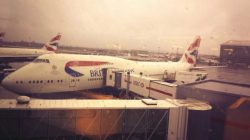
British Airways premium economy was the last flight I flew over the Atlantic and one of the first times in recent history I’ve flown something other than business or First class. Being a daytime flight between London and Seattle, the price for Premium was just right and I knew I needed to catch up on work and not sleep. So a domestic first class seat it would be, aka Premium economy for my flight home after a lovely National Geographic Expedition.
On the transatlantic hop from London Heathrow to Seattle, I had the chance to revisit World Traveller Plus on one of BA’s 777s. It’s a product I’ve flown only two other times before, over 10 years ago. I flew British Airways Pemium economy on the 747, and from Los Angeles to London on the A380. 10+ Years later, the product is still decent and offers a nice upgrade with more space than economy.
The Ground Experience
Let’s start with expectations: premium economy doesn’t buy you much at Heathrow. Thankfully through my Alaska Airlines status, I had access to the First Class lounge and check in. So for me, I was able to enjoy the airport amenities. If you’re flying without status, it’s a different story
There’s no lounge access, no meaningful priority treatment beyond a slightly better boarding group, and baggage allowance is improved but hardly game-changing. If you’re used to U.S. carriers bundling bits of “soft premium” into these fares, BA keeps things pretty bare bones. World Traveler plus does have a seperate check in counter from standard economy, so that’s a plus.
Cabin & Seat
The 777 cabin is arranged in a 2-4-2 configuration, which remains one of the strongest arguments for upgrading out of economy. Fewer middle seats and noticeably more personal space go a long way on a 10-hour flight. overall though, Familiar, Functional, Slightly Dated is how I would describe it.
Seat specs:
- Width: ~18.5–19 inches
- Pitch: ~38 inches
- Recline: Generous, with a footrest on most aircraft unless you’re in the bulkhead
The seat itself is broadly comfortable, with decent padding and a shell that provides some separation from the passenger behind you. It’s not a “hard product win” like newer premium cabins we’re seeing on other airlines. British Airways has not refresh this product since the launch of the A380.
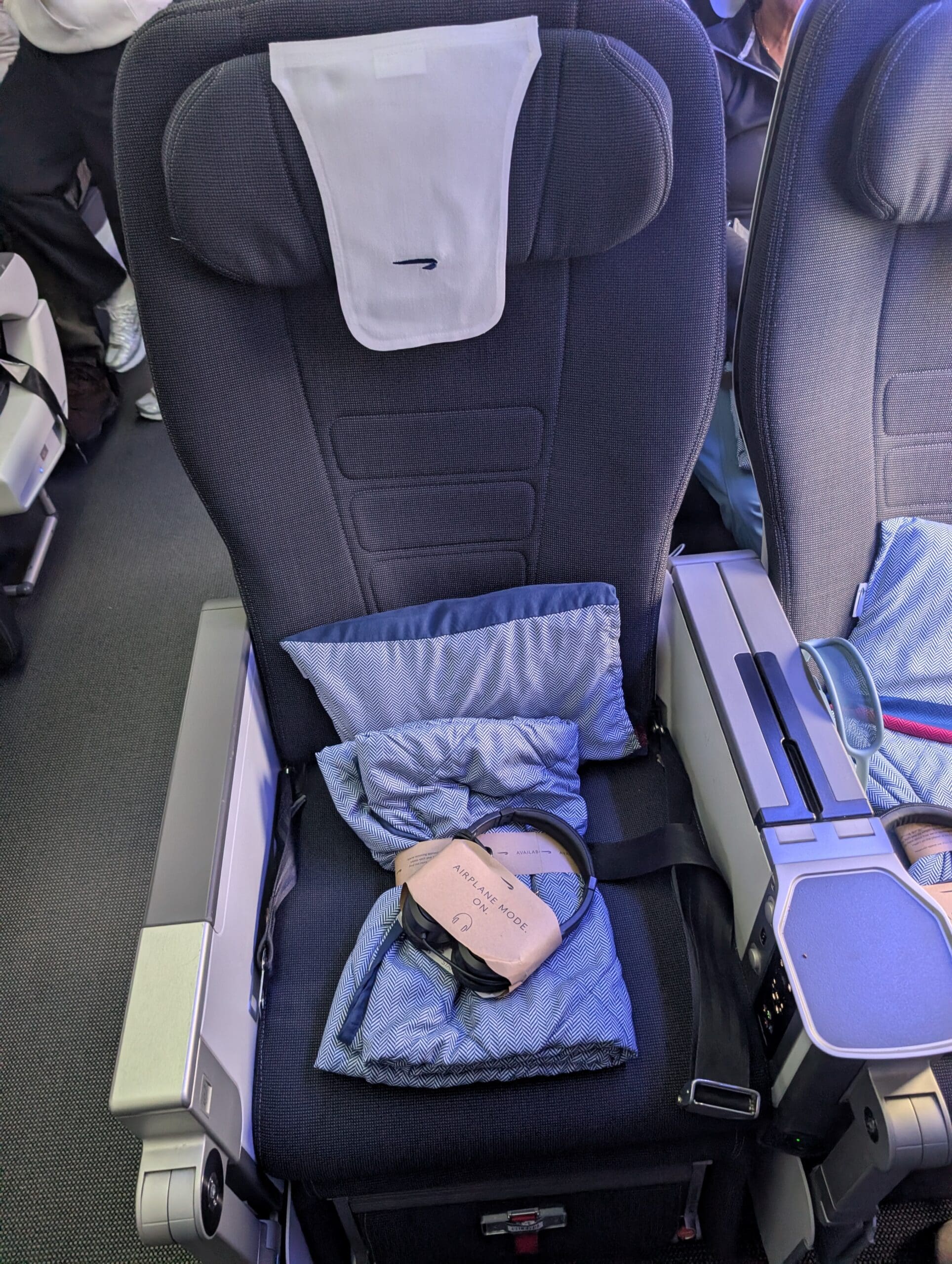
If you’ve flown BA premium economy in the past decade, nothing here will surprise you. And that’s kind of the point.
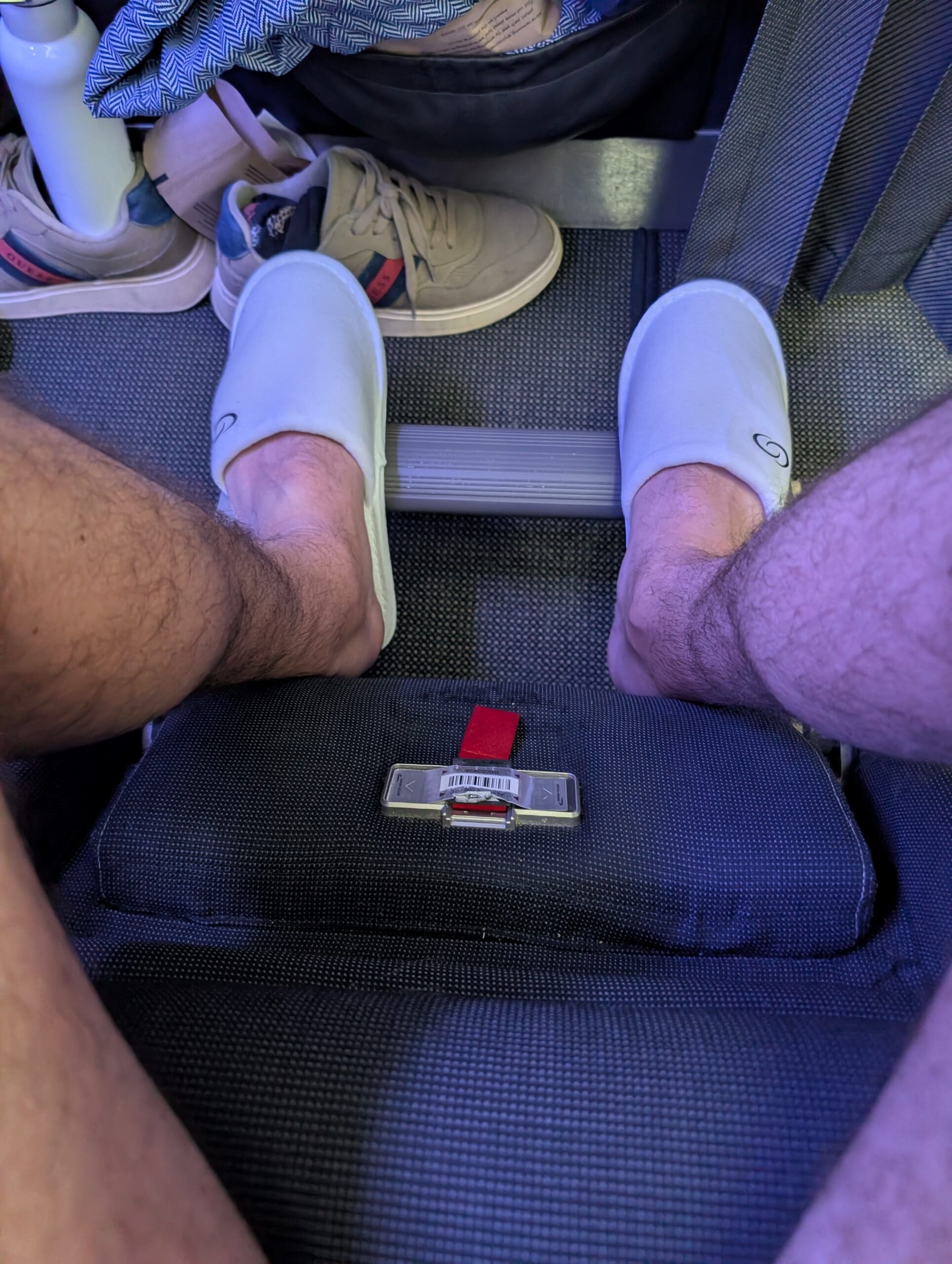
Storage is limited to a literature pocket, small cubbies, and the overhead bins. There’s no real privacy element, which feels increasingly noticeable in 2026 as more airlines introduce subtle seat shell designs or dividers. But hey, this seat works.
Food & Beverage: A Step Up
Meal service is where BA tries to differentiate World Traveller Plus, though expectations should be calibrated. It’s not the personal service in business or first, but it’s more than economy. Although honestly I can’t tell you what it’s like to fly economy, I haven’t done that since 2012.
You’ll get:
- A welcome drink (often sparkling wine or juice, nothing fancy)
- A slightly upgraded meal tray vs economy
- Meals served on real china with metal cutlery
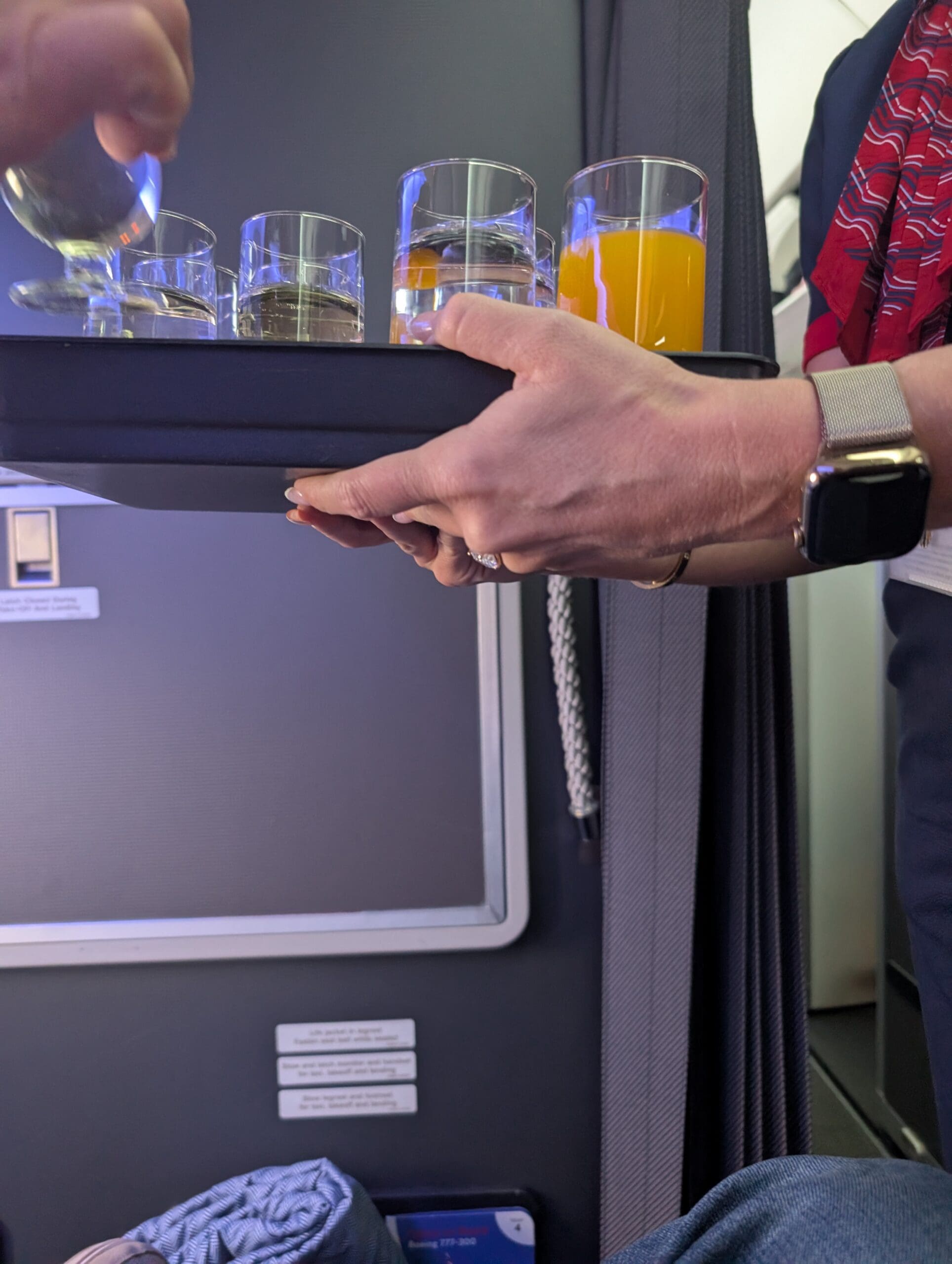
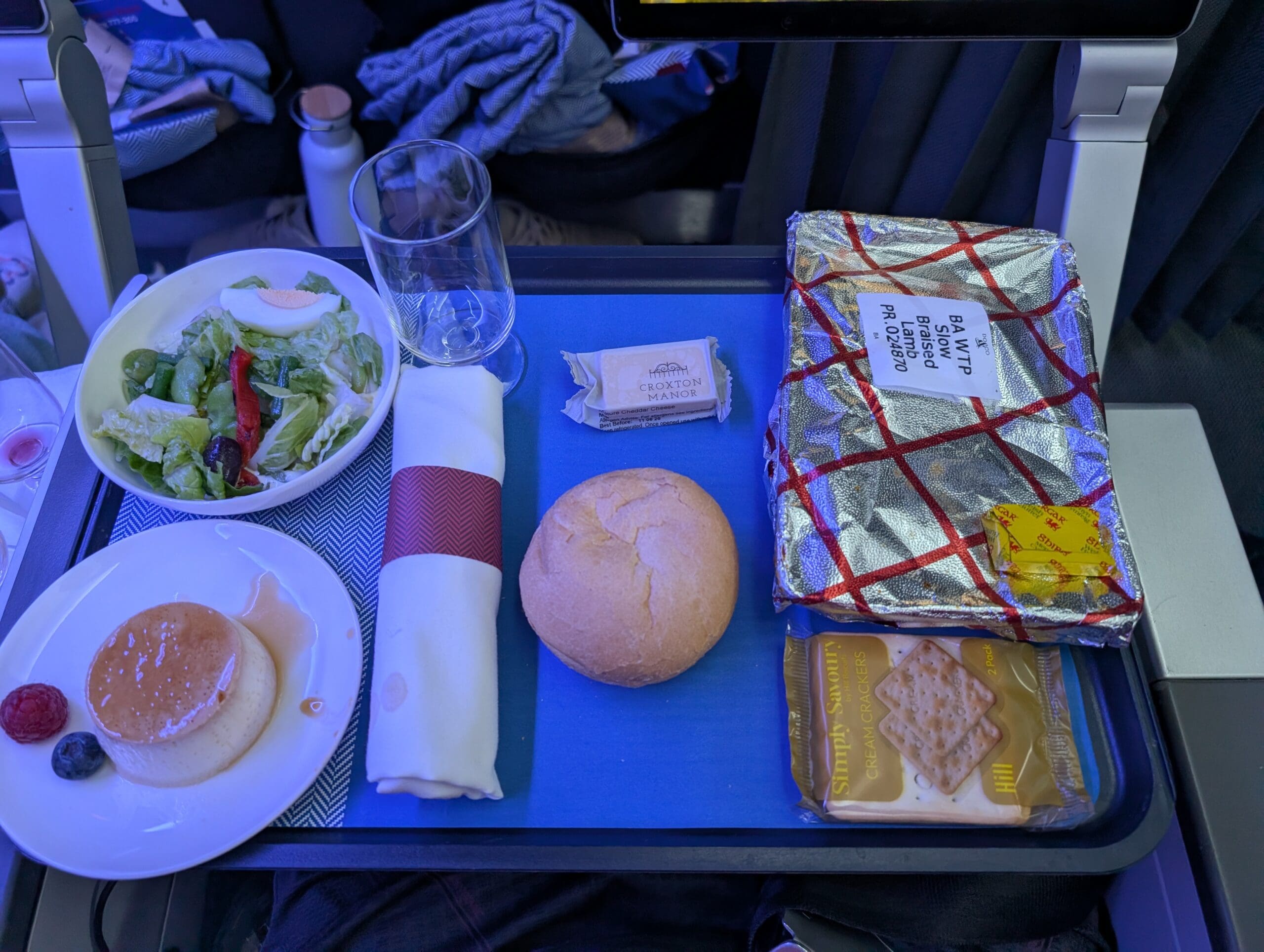
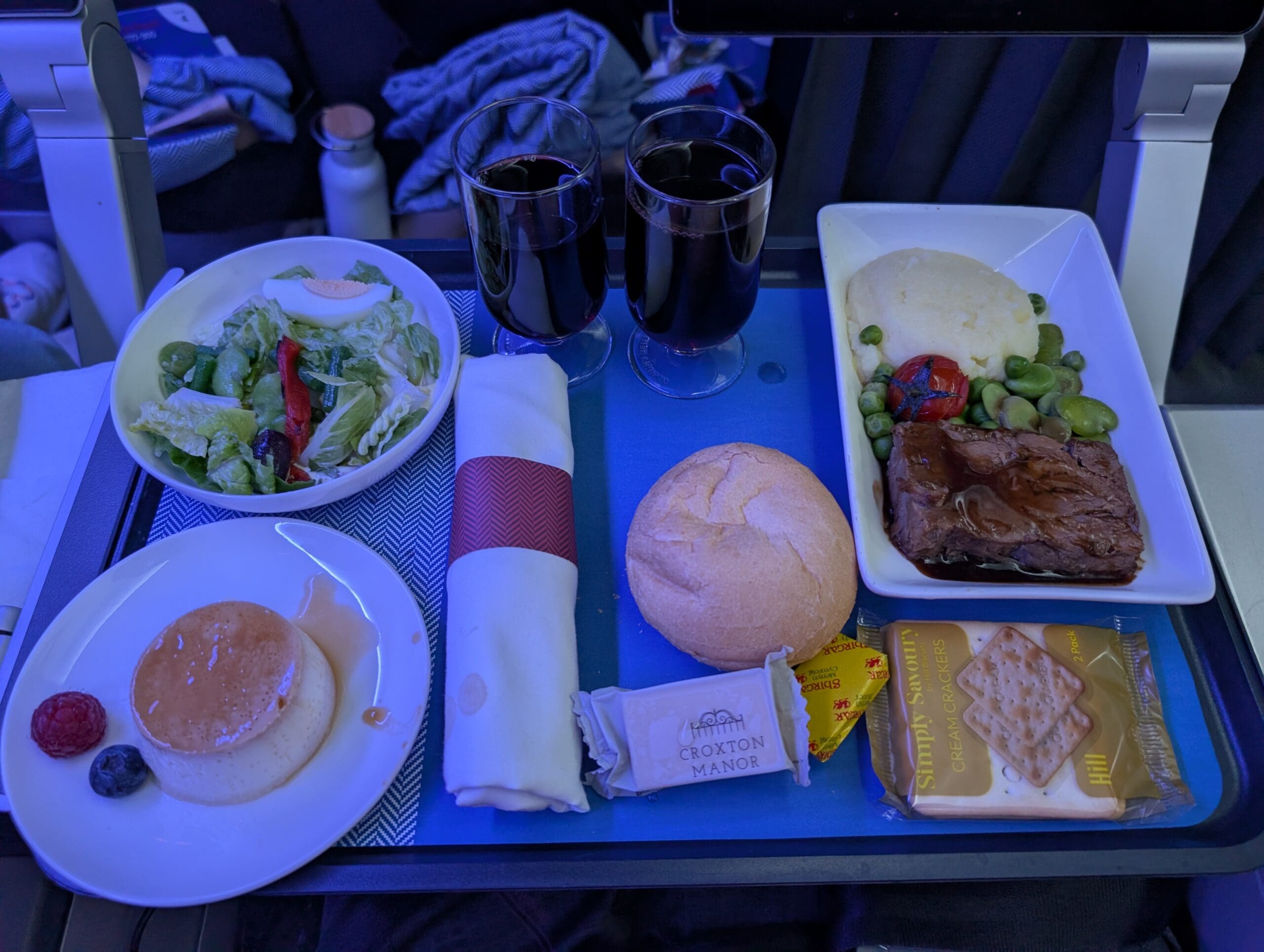
The food itself? Perfectly fine. Some people claim it’s the same food they serve in Business class. I would say it as similar. It was edible and service was good. There was a menu card, wine and spirits, and like I said, real china vs a tin.
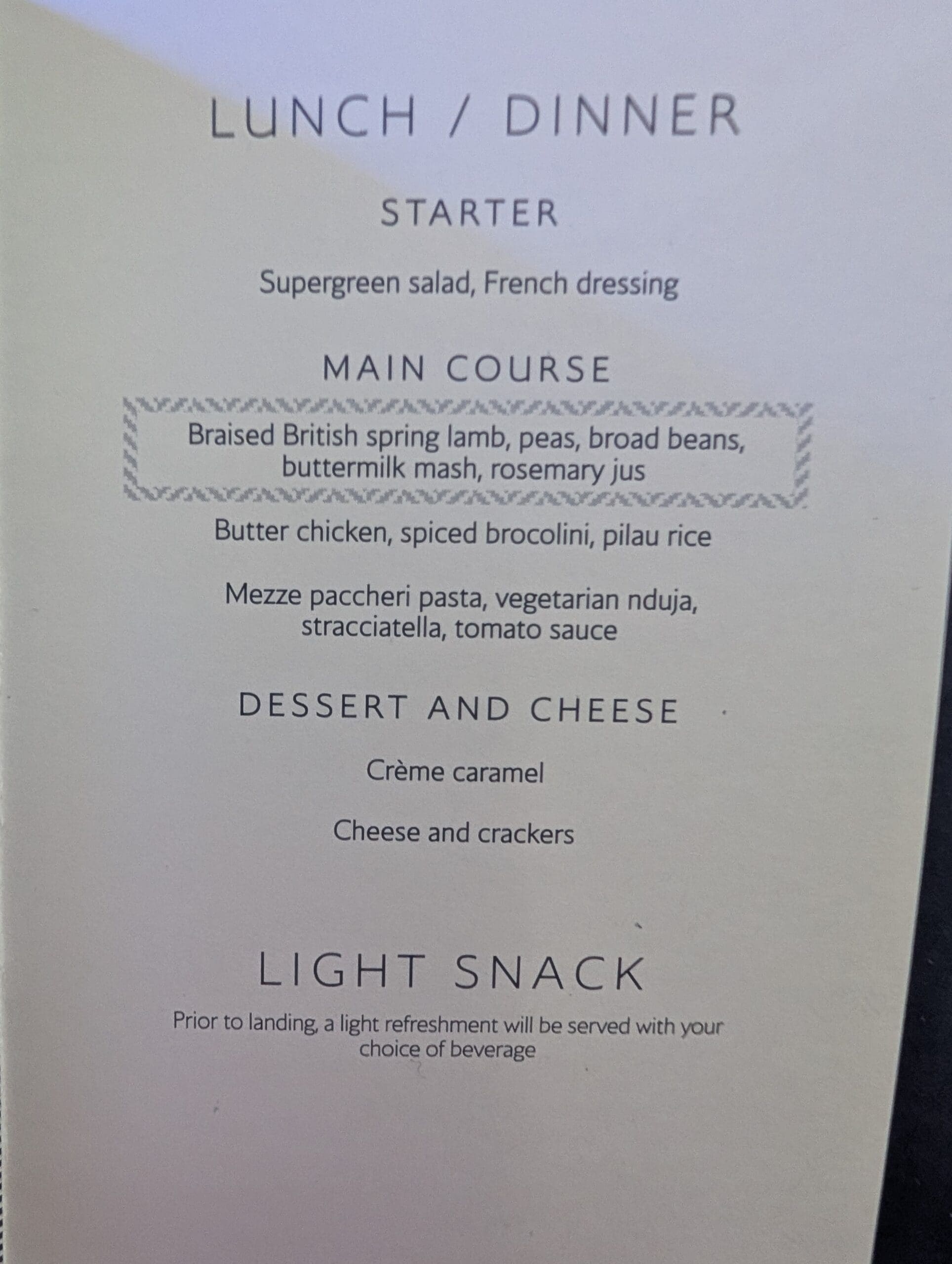
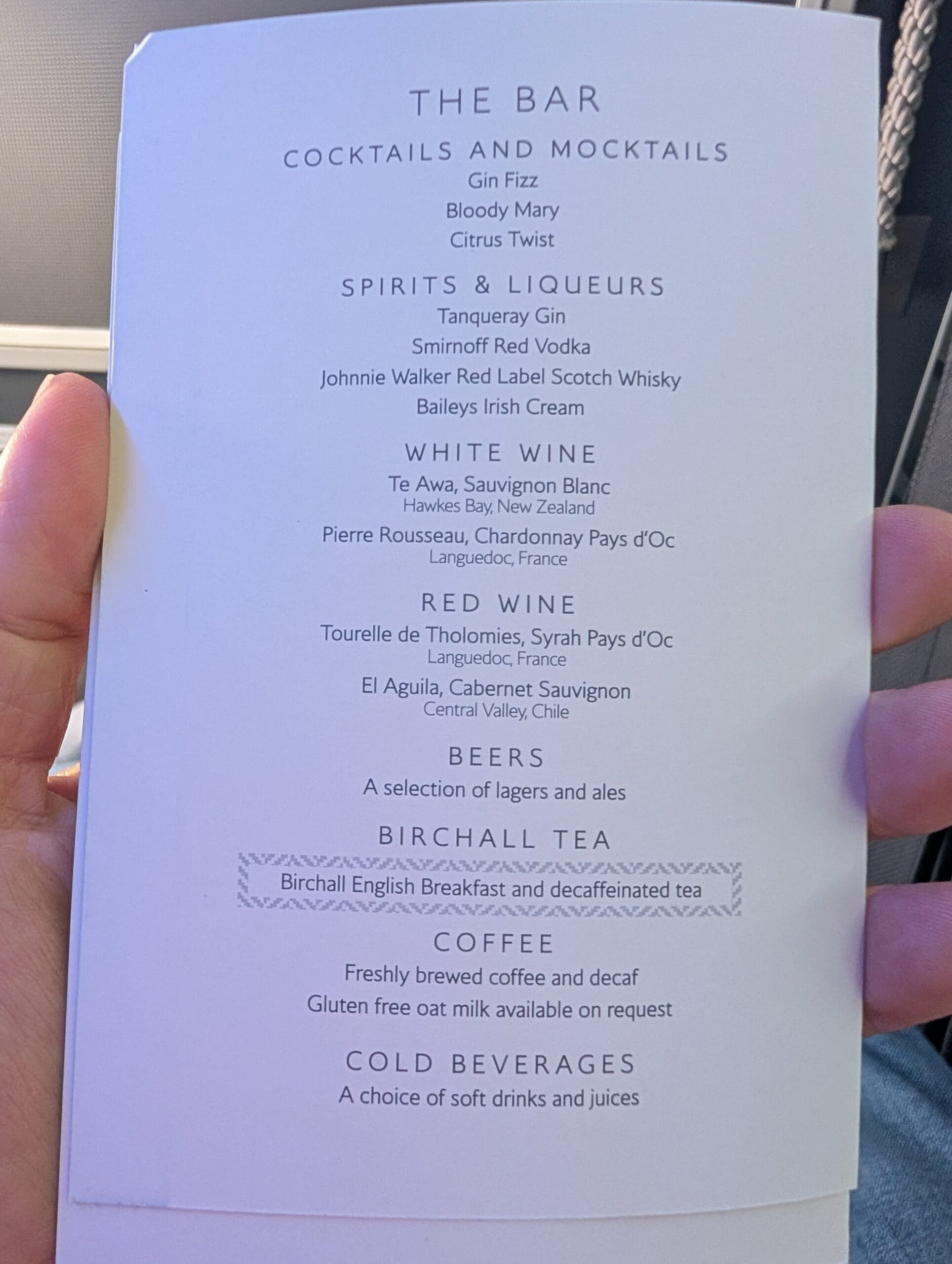
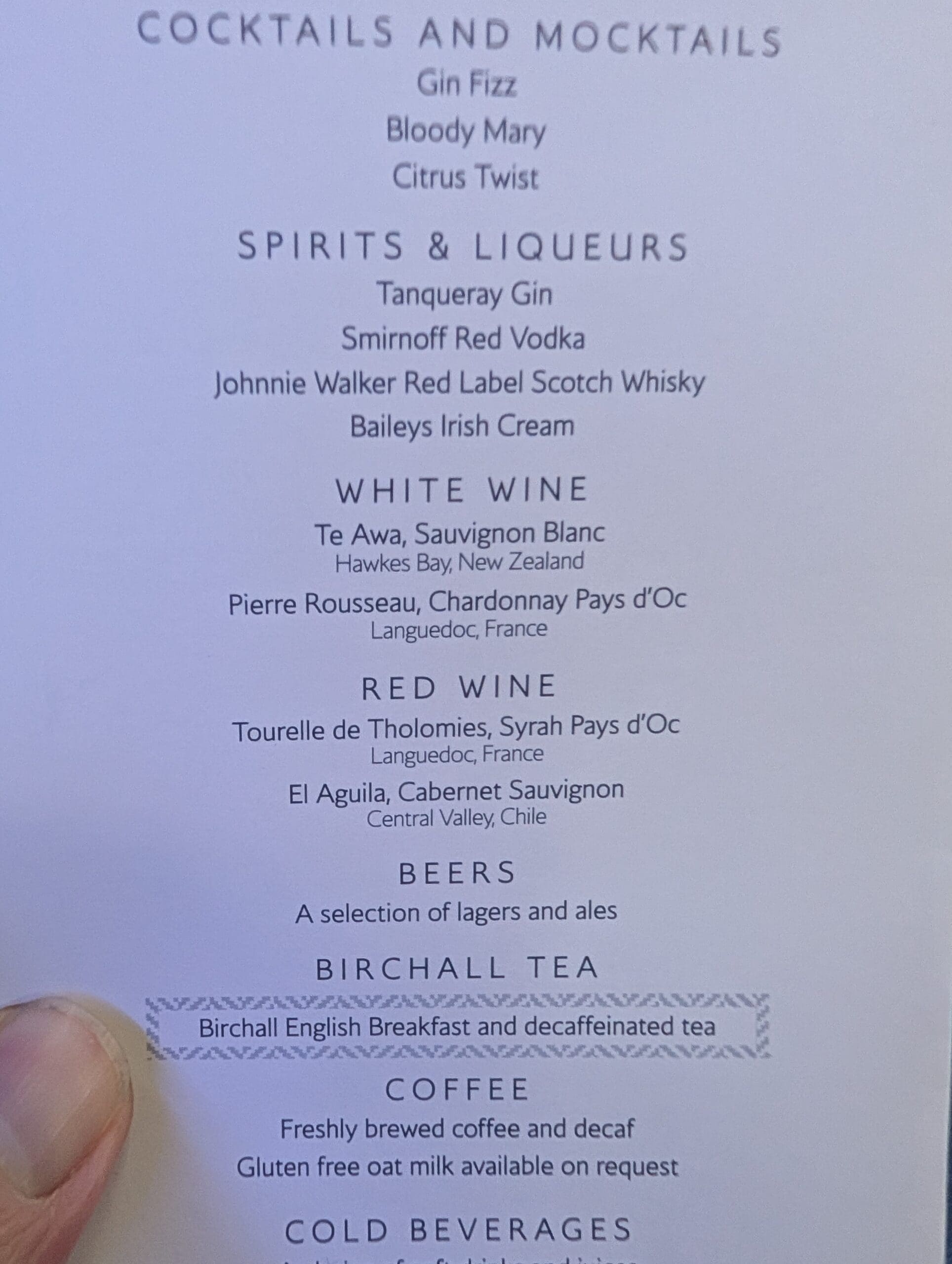
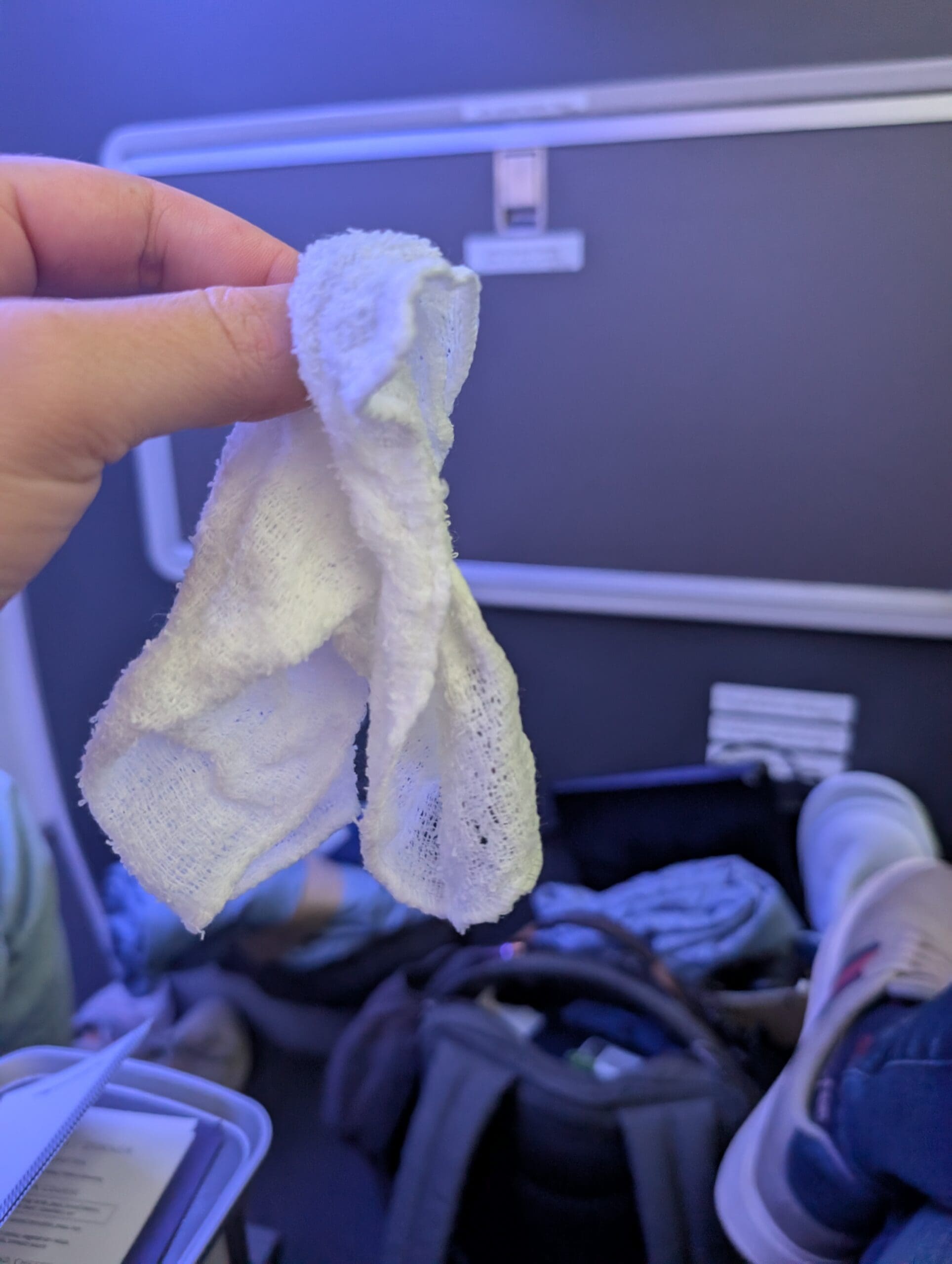
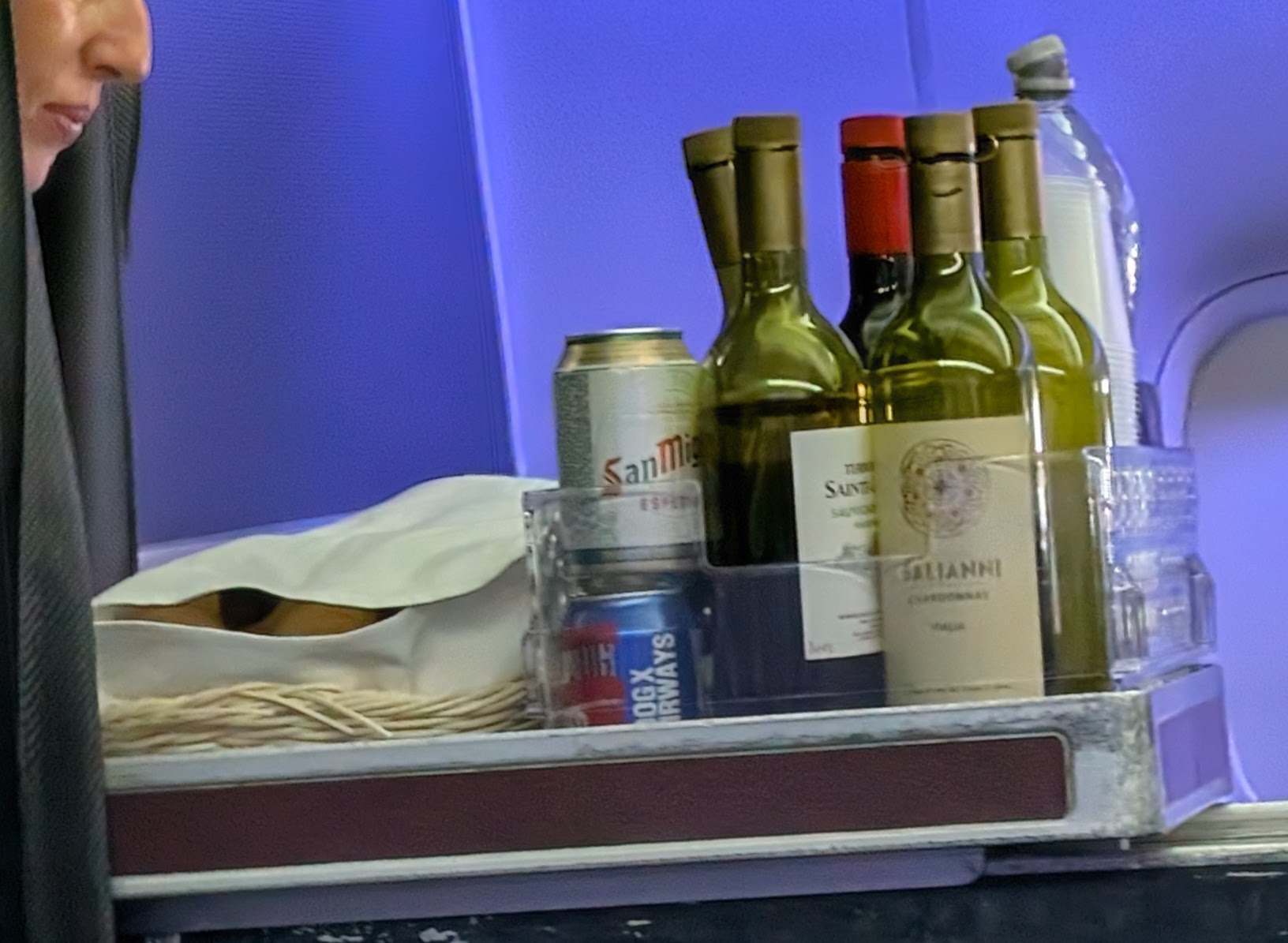
We had a choice of three mains (typically chicken, beef or pasta). This was all serve at once with a small salad and dessert. Service was done from a cart. There was also a drink service both before and after dinner. Pre-dinner we even were provided a towel. The little luxuries that are normal reserved for business class.
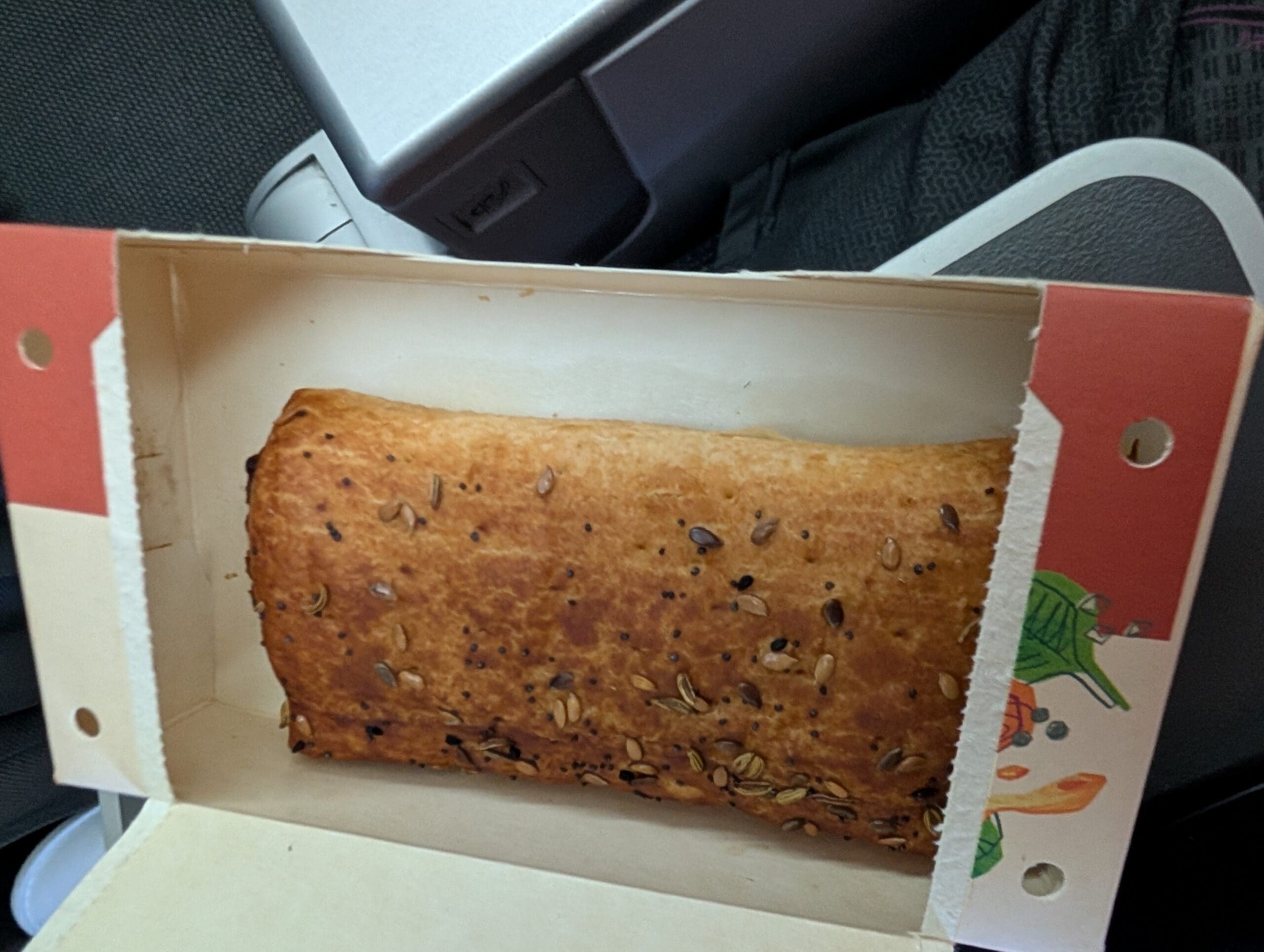
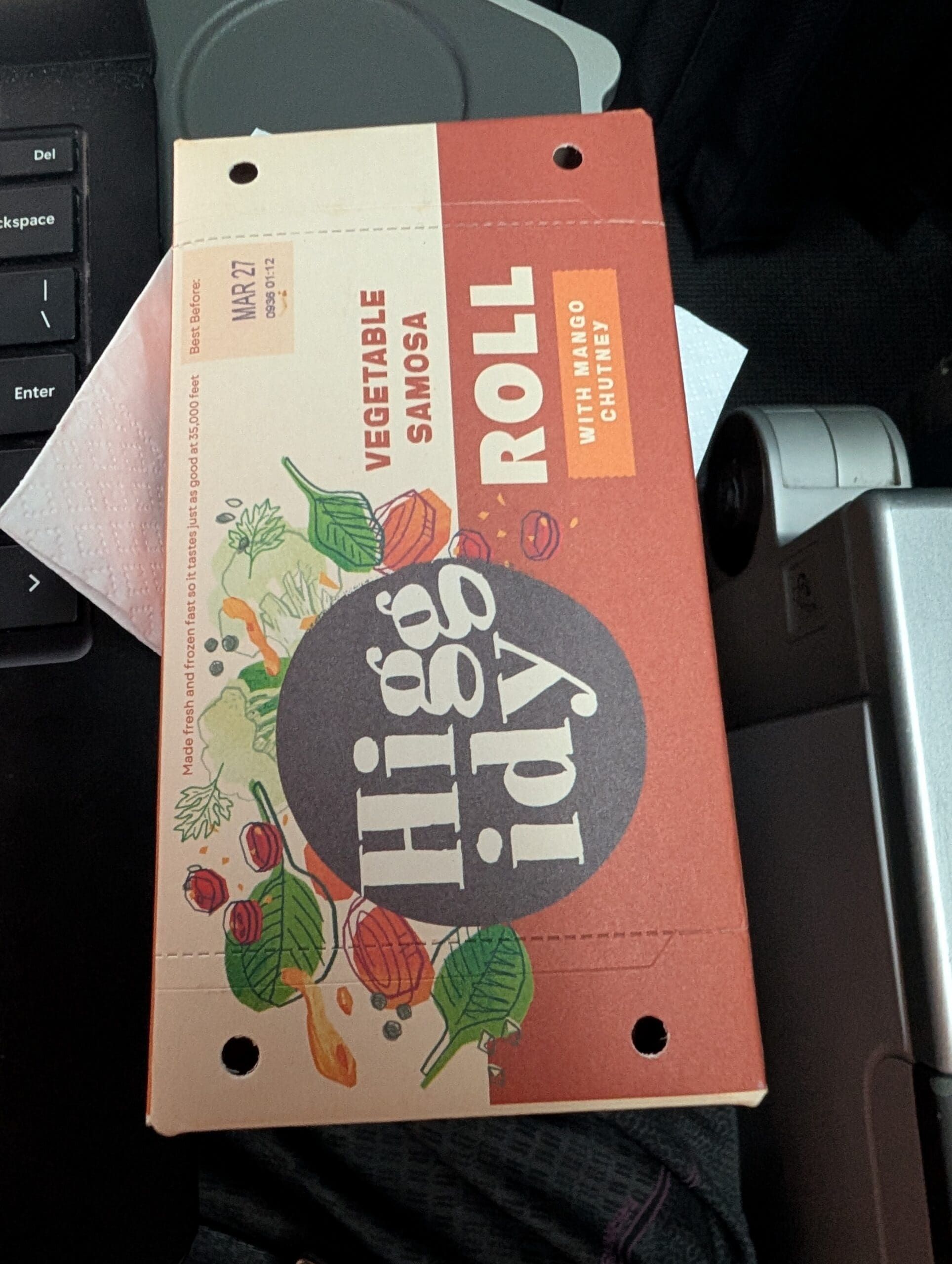
Before arrival, I think they serve the same item as economy. It was not edible. Very gross hot pocket like dish. Reminding everyone that this is not a real premium cabin.
Sleep & Comfort
For a daytime westbound flight like LHR–SEA, sleep isn’t essential, but comfort still matters. I did not plan on sleeping as I spent the entire flight connected to wi-fi and was catching up on work. So this was a great home office for the day. Plus with a 6pm arrival in Seattle, by staying awake I knew I would sleep and adjust quickly to the timezone.
You won’t arrive refreshed the way you would in business class, but you also won’t feel like you need to immediately re-evaluate your life choices the way some economy flights can make you feel.
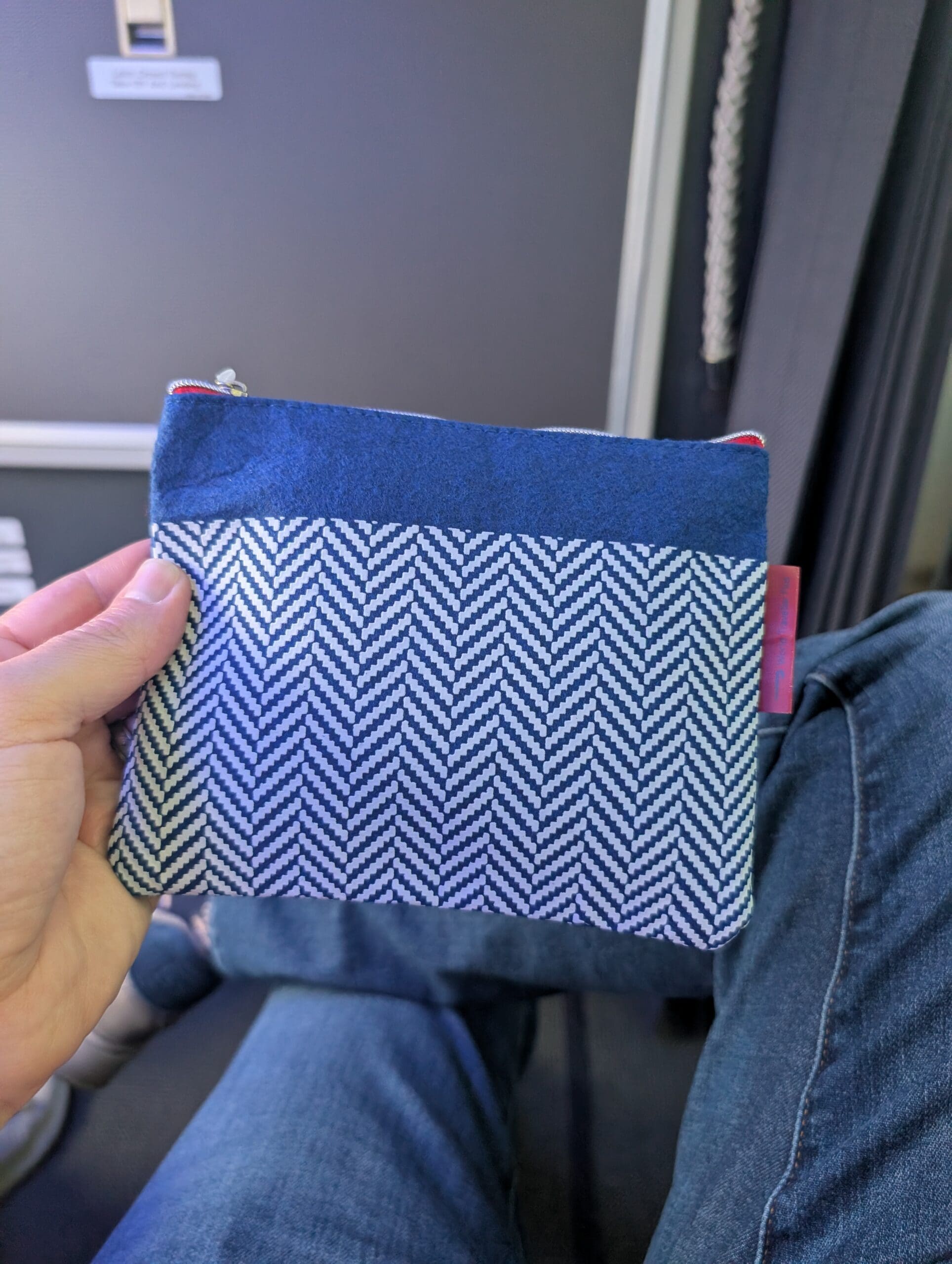
If you’re looking for extra amenities, there is a small amenity kit handed out pre-flight. It includes socks, an eye mask and chapstick. There is also a blanket on every seat.
Final Thoughts
British Airways’ World Traveller Plus is a product that hasn’t evolved much, but still holds its own. It’s better than Economy. The seat is Comfortable, with more spacious seating vs economy. Service was good and over all a solid option.
For a route like London to Seattle, it’s an easy recommendation if the price is reasonable. If I am flying eastbound, overnight, I would want to sleep and I would not choose this product. Yet, Premium economy allows you to arrive more comfortable, less fatigued, and with just enough of a premium touch to justify the upgrade. However there is still a large gap between the reclining seat and business class territory.
What Is World Traveller Plus?
World Traveller Plus is British Airways’ premium economy product, occupying a dedicated cabin positioned forward of economy and behind Club World business class. The cabin is branded separately from the standard economy offering, World Traveller, and sits in its own section of the aircraft with its own overhead bin allocation and distinct seat rows. On older long-haul widebodies like the Boeing 777 and the original A380 configuration, the product uses a recliner seat that has remained largely unchanged for over a decade. British Airways has introduced a refreshed premium economy seat on its refurbished 787-9 fleet, which offers a more modern look, though the core proposition remains the same: more space and a better meal service than economy, at a price that falls well short of business class.
For travelers comparing fares or research results, World Traveller Plus and “BA premium economy” are interchangeable terms referring to the same product. Understanding what the cabin actually is helps set the right expectations before booking.
British Airways Premium Economy Baggage Allowance
Baggage is one of the most concrete perks of booking World Traveller Plus, and it represents a meaningful step up from standard economy. Travelers in this cabin receive two checked bags, each up to 23kg, for a combined allowance of 46kg in the hold. Bags are also priority-tagged, which generally means they appear on the belt sooner than economy luggage at the destination.
In the cabin, premium economy passengers are permitted two carry-on pieces: one cabin bag that fits in the overhead bin plus one personal item such as a handbag or laptop bag. This mirrors what business class passengers are allowed at the cabin-bag level and is a practical advantage over the single-bag carry-on allowance on many economy fares.
Beyond baggage, the fare also earns more Avios and British Airways Executive Club Tier Points than an economy ticket on the same route, which can matter to frequent fliers building status. The separate check-in desk and slightly earlier boarding group are present, though as noted in the review, the Heathrow ground experience does not include lounge access on the fare itself.
How Much Does British Airways Premium Economy Cost?
Pricing for World Traveller Plus varies by route, season, and how far in advance the fare is purchased, but the cabin typically costs roughly two to three times the equivalent economy fare on the same transatlantic route. On popular routes like London to New York or London to Seattle, that gap can translate to several hundred dollars one way. During peak travel periods, the premium can narrow or widen significantly depending on demand.
For travelers with Avios, British Airways Executive Club offers several routes into World Traveller Plus. Avios can be used to book the cabin outright as a redemption, or in some cases to bid on or confirm an upgrade from an eligible economy ticket. The Avios cost for a premium economy redemption varies by zone and distance, so checking the British Airways website or the Executive Club calculator for a specific route is the most reliable way to see current award pricing before committing.
The value case for premium economy tends to be strongest when the cash fare is priced closer to the two-times-economy mark rather than three, and on routes long enough that the extra space genuinely changes the arrival experience. On short-haul or medium-haul routes where the fare multiple holds but the flight time does not, the calculus shifts. For long transatlantic segments, the cabin earns more Avios and Tier Points than economy, which adds a secondary benefit for members building status with BA or an Oneworld partner.
World Traveller Plus vs Economy vs Club World
The jump from World Traveller economy to World Traveller Plus is real and noticeable. The seat pitch increases from roughly 31 inches in economy to approximately 38 inches in premium economy, the 2-4-2 configuration on the 777 eliminates the worst middle-seat positions found in economy’s 3-3-3 or 3-4-3 layouts on some aircraft, and the meal service moves to real china, metal cutlery, and a three-course structure that economy does not receive. The double checked-bag allowance and priority tagging are also concrete differences that show up before boarding.
The gap between World Traveller Plus and Club World business class is considerably larger. Club World offers a fully lie-flat seat on long-haul routes, direct aisle access in the 1-2-1 configuration on newer aircraft, dedicated business class lounge access at Heathrow, a more substantial meal service with greater choice and more personal attention, and meaningfully better sleep potential on overnight flights. World Traveller Plus is a recliner. It does not go flat, and on an eastbound overnight route, that distinction shapes the entire arrival experience. Travelers considering the upgrade from premium economy to business class should weigh the route and timing heavily: on a daytime westbound crossing, the gap matters less; on an eastbound overnight, it matters considerably more.
Is British Airways Premium Economy Worth It?
The honest answer depends almost entirely on the route, the time of day, and what the fare multiple looks like at the time of booking. On a daytime westbound long-haul like London to Seattle or London to Los Angeles, World Traveller Plus makes a strong case for itself. The extra pitch and the 2-4-2 configuration make a ten-hour flight significantly more comfortable than economy, the meal service is genuinely better, and the double baggage allowance is a practical benefit. Arriving rested enough to function that evening, rather than wrecked from a middle seat, is worth real money on the right route.
On eastbound overnight flights, the math changes. World Traveller Plus is a recliner, not a lie-flat, which means sleep quality on a red-eye crossing is substantially lower than what business class delivers. Travelers who prioritize arriving ready to work or who have meetings the following morning will find the gap to Club World harder to dismiss. In that scenario, the choice is either accept the economy-to-premium-economy comfort bump without meaningful sleep benefit, or justify the larger step up to business class.
At roughly two times the economy fare, World Traveller Plus is easy to recommend for the right traveler on the right route. At three times or more, it starts to compete with business class sale fares or Avios redemption value, and the calculus requires a harder look. The cabin earns more Avios and Tier Points than economy, which adds incremental value for Executive Club members or Oneworld frequent fliers, but that alone does not tip a borderline decision. The space and the meal service are the primary reasons to book; everything else is a welcome addition.
Frequently Asked Questions
Is British Airways Premium Economy Worth It?
On daytime long-haul routes priced near two times the economy fare, yes. The cabin offers approximately 38 inches of seat pitch versus roughly 31 inches in economy, a better meal service on real china, and two checked bags. On overnight eastbound flights where sleep is the priority, the recliner seat makes it harder to justify over business class, which offers a lie-flat bed.
What Is the Difference Between World Traveller Plus and Economy?
World Traveller Plus is BA’s premium economy product: a separate forward cabin with wider seats, roughly seven more inches of seat pitch (approximately 38 inches versus 31 inches in economy), more recline and a footrest on most seats, a three-course meal service on real china, two checked bags, and more Avios and Tier Points earned per flight.
How Much Baggage Do You Get in British Airways Premium Economy?
Two checked bags at 23kg each, plus two cabin bags, all priority-tagged. That doubles the standard checked allowance on most economy fares on long-haul routes.
Can You Use Avios to Upgrade to Premium Economy?
Yes. World Traveller Plus can be booked outright using Avios through the British Airways Executive Club, and in some cases an eligible economy ticket can be upgraded with Avios. The exact Avios requirement varies by route and availability, so checking the current pricing on the BA website or the Executive Club redemption calculator is the most reliable step before booking.
Does British Airways Premium Economy Include Lounge Access?
No. The World Traveller Plus fare does not include lounge access. Entry to a BA or partner lounge at Heathrow requires either elite status with British Airways Executive Club, Oneworld status, or a paid lounge pass. The fare does come with a separate check-in desk and a slightly earlier boarding group, but lounge access is not part of the ticket.
What Seat Pitch Does British Airways Premium Economy Have?
Approximately 38 inches of pitch on the Boeing 777, compared with roughly 31 inches in standard economy. Most non-bulkhead seats also include a footrest. The bulkhead row has additional legroom but no footrest, since the footrest mechanism requires a seat in front.